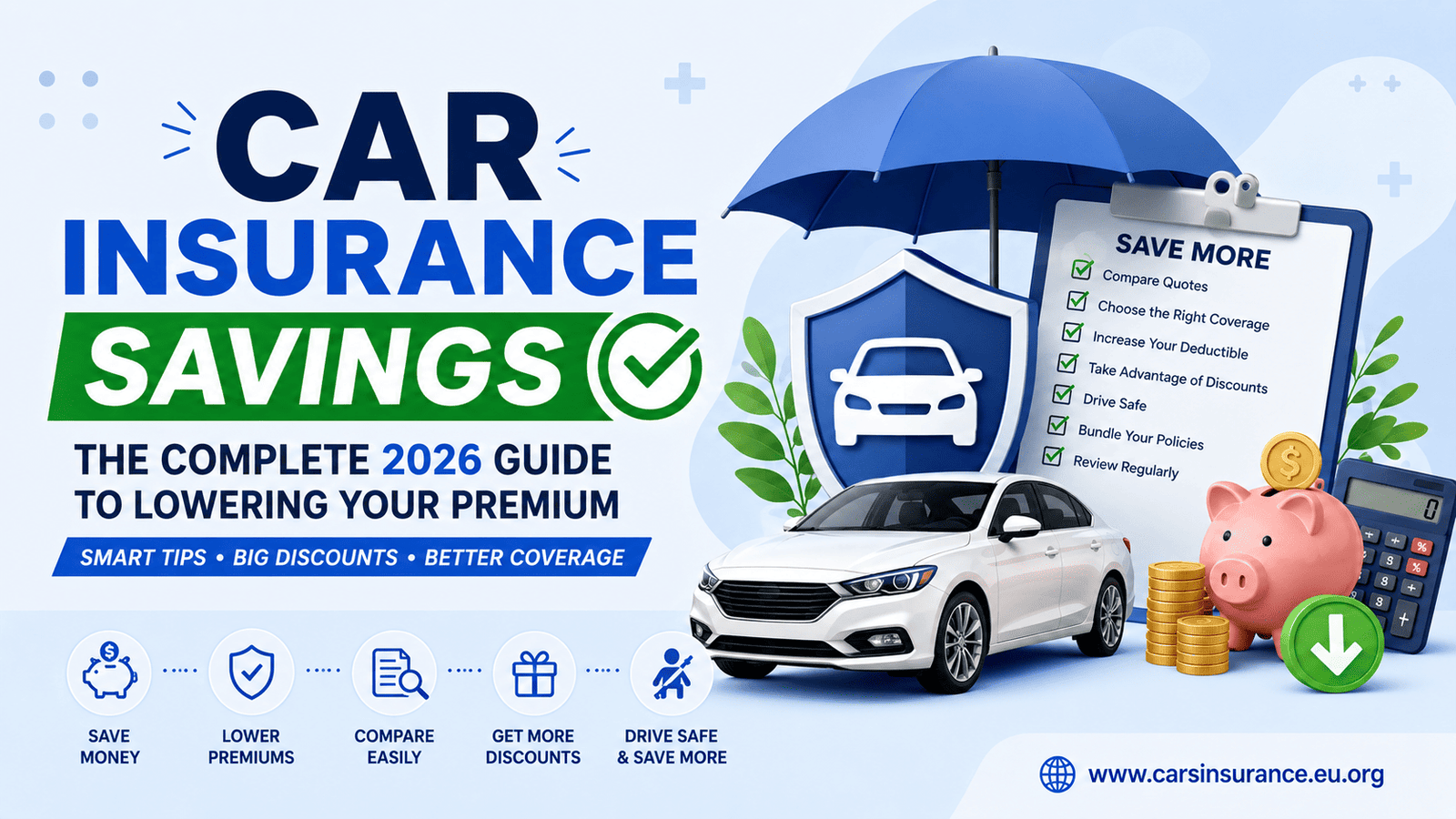
Let’s be honest: car insurance isn’t the most thrilling topic. It often feels like a necessary evil—a monthly bill we pay and hope we never have to use. But here’s the thing: a well-chosen car insurance policy is more than just a legal requirement; it’s a financial safety net that protects you, your family, and your assets from the unexpected.
Whether you’re a new driver, a seasoned commuter, or just looking to save some money, this guide will break down everything you need to know about car insurance in 2026. We’ll cover the different types of coverage, provide insider tips from insurance agents, and help you find the best value for your needs.
What Does Car Insurance Actually Cover?
Many drivers mistakenly think their policy is a one-size-fits-all solution that covers any mishap. The reality is more nuanced. Your policy is made up of different types of coverage, each designed for a specific purpose.
Here’s a breakdown of the core components you’ll likely encounter:
- Liability Coverage: This is the foundation of almost every policy and is required in most states. It helps pay for injuries and property damage you cause to others in an accident. Think of it as the “I’m sorry, I caused this” coverage.
- Collision Coverage: This kicks in to pay for damage to your car when it hits another car or object (like a pole or fence), regardless of who is at fault. It’s essential for newer cars you’re still paying off.
- Comprehensive Coverage: The “everything else” coverage. It protects your car from non-collision events like theft, vandalism, fire, hitting a deer, or severe weather like floods or hail. This is a key reason many agents say car insurance is about more than just accidents.
- Uninsured/Underinsured Motorist Coverage: This is your safety net if you’re hit by a driver with no insurance or inadequate coverage. With the Insurance Research Council reporting that 15.4% of U.S. drivers were uninsured in 2023, this coverage is more important than ever.
- Medical Payments or Personal Injury Protection (PIP): This covers medical expenses for you and your passengers, regardless of who caused the accident. In some “no-fault” states, PIP is mandatory and can also cover lost wages.
Beyond the Basics: When You Need More
The coverages above are the standard building blocks. But depending on your situation, you might want or need additional protection.
- GAP Insurance: If you finance or lease a car, this is crucial. Standard insurance pays out the actual cash value of your car at the time of a total loss. Since vehicles depreciate quickly, you could end up owing more on your loan than the car is worth. GAP insurance covers that “gap”.
- Rental Reimbursement: This optional add-on covers the cost of a rental car while your vehicle is being repaired after a covered claim. It’s a lifesaver if you rely on your car for commuting.
- Roadside Assistance: Provides peace of mind with services like towing, jump-starts, flat tire changes, and lockout assistance.
Insider Tips from Agents: Getting the Best Policy for Your Money
Insurance agents see it all. They have a unique perspective on how to build a solid policy without breaking the bank. Here are some of their top pieces of advice:
1. You’re Not Just Insuring Your Car
Your liability limits are arguably the most important part of your policy. Many drivers opt for state-minimum limits to save money. However, these minimums can be devastatingly low. If you cause a serious accident, your liability coverage will have to cover the other party’s medical bills and vehicle damage. If those costs exceed your limits, your personal assets (like your savings or home) are at risk. Agents often recommend raising your liability limits above the state minimum; it’s often surprisingly affordable and provides significantly more protection.
2. Customize Your Deductible
Your deductible is the amount you pay out-of-pocket before your insurance kicks in. A higher deductible typically means lower premiums. If you have a solid emergency fund, consider raising your deductible. For instance, you can compare quotes with a $500 deductible vs. a $1,000 deductible to see the difference.
3. The Perks of Bundling
One of the easiest ways to save is by bundling. If you have your car and home insurance with the same company, you’ll almost certainly qualify for a discount. It simplifies your bills and can lead to significant yearly savings.
4. Regularly Review Your Policy
Life changes. Your insurance needs do too. Do you have a teenager about to get their license? Did you move to a new city with a shorter commute? Did your car’s value drop significantly? Annual reviews with your agent ensure you’re not overpaying for coverage you no longer need and aren’t left with gaps in protection.
New Driver? Here’s What to Expect
If you’re a new driver, especially a teenager, get ready for some sticker shock. Insurers view inexperienced drivers as a higher risk, and premiums often reflect that. The CDC even notes that teen drivers are involved in fatal crashes at a higher rate than other age groups.
How to lower the costs:
- Good Student Discounts: Many insurers offer significant discounts for students with a “B” average or higher.
- Driver’s Education: Completing an approved driver’s safety course can also help lower your rate.
- Telematics Programs: Look into usage-based insurance programs that monitor your driving habits (like braking and mileage). Safe driving can earn you a discount.
Why Local Matters: Finding Your Perfect Policy
In the world of insurance, bigger isn’t always better, especially when it comes to finding the right agent. National carriers dominate TV ads with catchy slogans, but when you search for something specific like “car insurance near me”—which sees over 200,000 searches a month—you’ll likely find local independent agents who understand your specific community.
A local agency offers:
- Personalized Service: They aren’t just a voice on a phone; they’re part of your community and understand your specific needs.
- More Options: Independent agents can compare policies from multiple carriers to find you the best coverage for your budget, ensuring you get a fair comparison.
- Local Expertise: They can provide location-specific advice on common risks in your area, whether it’s weather concerns or local traffic patterns.
Final Thoughts: Drive with Confidence
Car insurance can feel complex, but it doesn’t have to be. By understanding the core coverages and regularly reviewing your policy, you can ensure you’re getting the right protection. Don’t hesitate to contact a local agent, ask questions about discounts, and compare “apples to apples” policies to make sure you’re getting the best value. The right coverage is the key to driving with confidence and peace of mind.
