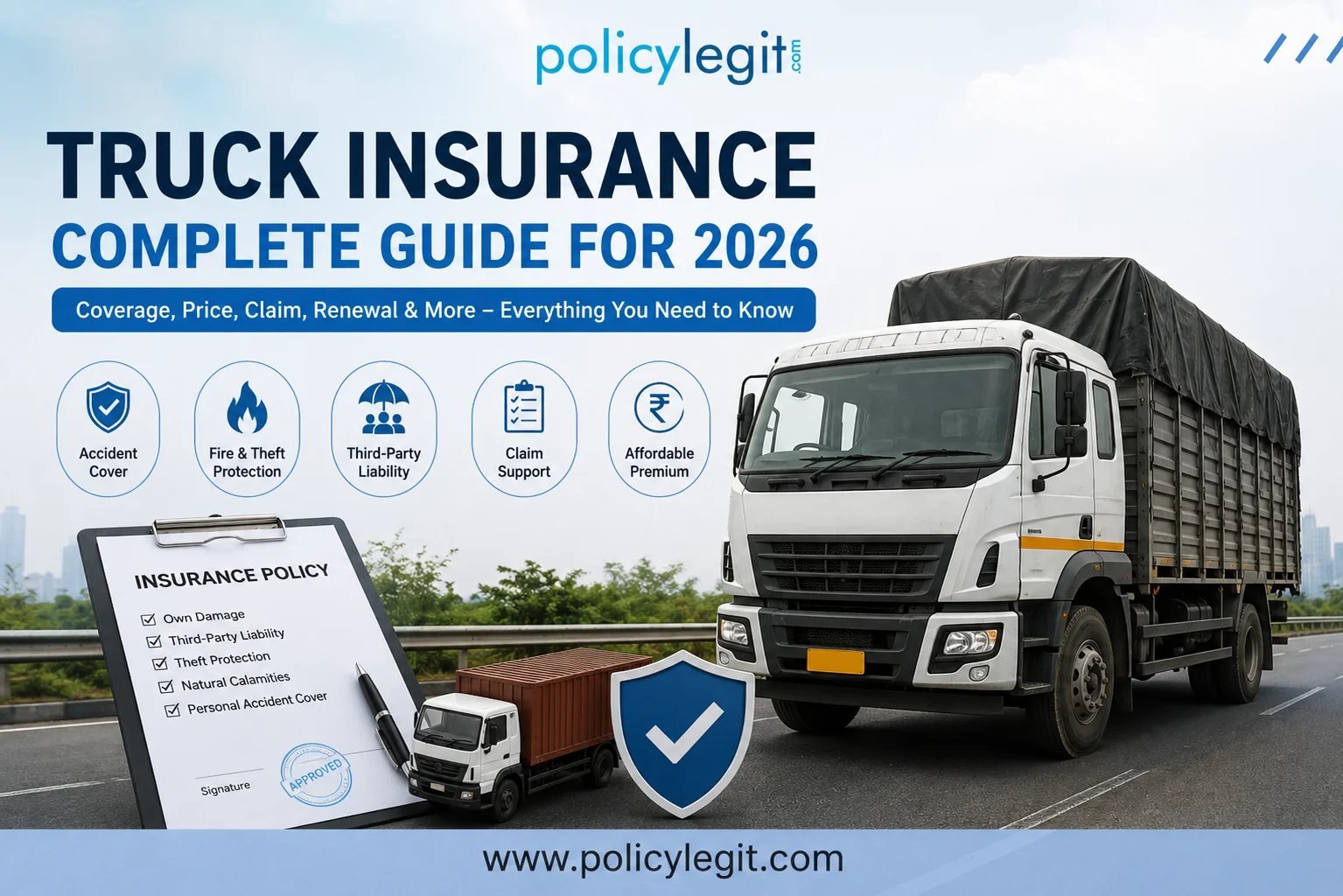
For owner-operators and fleet owners, truck insurance isn’t just another business expense—it’s the invisible shield that protects your livelihood. The open road offers freedom and profit, but it also presents significant risk. One accident, one lawsuit, or one load of spoiled cargo can spell financial ruin. In 2026, navigating the complex world of commercial truck insurance is more critical than ever, as rising costs and legal trends reshape the industry landscape .
This comprehensive guide breaks down everything you need to know about truck insurance, from understanding the essential coverage types to practical strategies for lowering your premiums.
Decoding the Basics: Why Truck Insurance is Different
Truck insurance differs significantly from standard personal auto policies. Commercial trucks carry heavier loads, travel longer distances, and cause more damage in accidents. Consequently, the coverage is more complex, the requirements are stricter, and the costs are substantially higher. It’s a specialized field that requires expertise from both the insurer and the insured to ensure complete protection .
Essential Coverage Types Explained
Understanding the various types of truck insurance is the first step to protecting your business. A standard policy is often a bundle of different coverages designed to address specific risks.
1. Primary Liability Insurance (The Legal Must-Have)
This is the foundational coverage for any trucking operation. It covers bodily injury and property damage you cause to others in an accident where you are at fault. It’s a legal requirement for all commercial carriers. The Federal Motor Carrier Safety Administration (FMCSA) mandates minimum limits starting at $750,000 for general freight, but most brokers and shippers require at least $1,000,000 . If you operate under your own authority, you must carry this policy .
2. Physical Damage Coverage (Protecting Your Equipment)
This coverage protects your truck and trailer from physical damage. It’s often required if you’re financing your rig and is split into two parts:
- Collision: Covers damage from accidents involving another vehicle or object .
- Comprehensive: Covers non-collision events like theft, vandalism, fire, or weather damage .
The cost of this coverage is heavily influenced by the value and age of your truck. Newer, more expensive rigs cost more to insure .
3. Cargo Insurance (Safeguarding the Freight)
As a motor carrier, you are legally liable for the freight you are hauling. Cargo insurance covers the loss, damage, or theft of the goods in your trailer. If you’re hauling high-value items like electronics or temperature-sensitive goods, you’ll need higher limits and potentially specialized coverage like reefer breakdown .
4. Bobtail and Non-Trucking Liability (Off-the-Job Coverage)
This coverage protects you when you’re not under dispatch. Bobtail insurance covers you when driving a tractor without a trailer, even if it’s for business purposes. Non-trucking liability covers you when you’re using the truck for personal errands. This is crucial for leased operators to ensure continuous coverage .
5. General Liability Insurance (Beyond the Road)
This protects your business from non-driving-related risks, such as slip-and-fall injuries at your place of business or property damage caused during loading and unloading .
6. Trailer Interchange Insurance (For Non-Owned Trailers)
If you pull a trailer you don’t own under an interchange agreement, this coverage protects you from being financially responsible if that trailer is damaged .
The Cost of Protection: What to Expect
Truck insurance is one of the largest fixed costs for a trucking company, often second only to the truck payment itself . The American Transportation Research Institute (ATRI) reported that insurance premiums averaged $0.099 per mile in 2023, a 12.5% increase from the previous year . For an owner-operator, this often translates to an annual premium ranging from $10,000 to over $20,000 .
Key Factors Influencing Your Premium
Several factors determine what you’ll pay for insurance. Understanding them can help you negotiate a better rate.
Driver and Vehicle Factors
- Driving History: A clean record with no accidents or violations is the most effective way to keep premiums low. DUIs and speeding tickets will drastically increase costs .
- Experience: New drivers and new authorities often face higher rates due to a lack of proven safety history .
- Vehicle Condition: Newer trucks with advanced safety features like collision mitigation systems and dash cams can qualify for lower rates .
- Credit Score: In many states, your personal credit score can impact your insurance premium .
Operational Factors
- Cargo Type: Hauling hazardous materials or high-value freight requires higher liability and cargo limits, increasing costs .
- Route and Radius: Long-haul routes and driving in dense urban areas with higher traffic are considered riskier, leading to higher premiums .
- Miles Driven: The more miles you log, the higher your exposure to risk and, subsequently, your premium .
- Safety Scores: Your FMCSA Safety and Fitness Electronic Records (SAFER) score is a critical metric for insurers. A poor score indicates high risk .
Market and Legal Factors
- “Nuclear” Verdicts: The rise in massive jury awards in truck accident lawsuits has significantly driven up insurance costs for everyone in the industry .
- Litigation and Medical Costs: Increasing lawsuits and medical inflation are leading insurers to raise rates to maintain profitability .
8 Questions to Ask Your Insurance Agent
Choosing the right insurance provider is about more than just price. It’s about finding a partner who understands your business and can protect you when it matters most .
- “Do you specialize in truck insurance?” Not all agents understand the nuances of the trucking industry. You need one that does .
- “What is exactly covered and, more importantly, what is excluded?” Read the policy carefully to avoid any gaps in coverage .
- “What are my coverage limits, and do I have enough?” Minimum legal requirements often aren’t enough to protect your assets from a catastrophic claim .
- “What happens when I file a claim? Who will handle it?” Ask about the claims process, response times, and whether you’ll have a dedicated claims contact .
- “Is there a discount for safety technology?” If you have dash cams, ELDs, or collision avoidance systems, you may qualify for savings .
- “How does my credit score impact my rates?” Understanding this can help you improve your credit to get a better premium .
- “Are you flexible with my deductible?” Higher deductibles lower your premium but require more out-of-pocket cash in a claim. Find the right balance for your budget .
- “What are the current market trends?” A good agent will explain the “why” behind rate changes and help you navigate them .
Practical Tips to Lower Your Premium
Despite market pressures, you can take steps to keep your premiums manageable.
- Maintain a Spotless Safety Record: This is the single most impactful thing you can do. Avoid violations and accidents .
- Invest in Safety Technology: Telematics and dash cams not only keep drivers safe but also provide evidence in case of a dispute and often qualify for discounts .
- Train Your Drivers: Implement a strong driver safety program. Focus on defensive driving and specific training for your most common routes and cargo types .
- Shop Around: Don’t settle for the first quote. Get multiple quotes to compare coverage and costs .
- Monitor Your CSA/Safer Scores: Stay on top of your official safety scores and address any violations or red flags immediately .
- Choose Your Deductible Wisely: A higher deductible will lower your premium, but ensure you have the financial reserves to cover it if an incident occurs .
New Authority vs. Leased Operator: A Crucial Distinction
Your operating model profoundly impacts your insurance needs .
- Owner-Operator with Own Authority: You are a full-fledged trucking company. You are responsible for securing primary liability, cargo, physical damage, and all other coverages yourself. This provides full control but comes with the highest costs and responsibilities.
- Owner-Operator Leased to a Carrier: The motor carrier you’re leased to typically provides primary liability coverage while you are dispatched for them. However, you are often responsible for purchasing physical damage, bobtail/non-trucking liability, and sometimes cargo insurance on your own. This can be a more affordable starting point .
Conclusion
Truck insurance is an investment in the future of your business. While the cost can be significant, it is a non-negotiable part of the industry that protects you from catastrophic financial loss. The key to success is understanding what you’re buying, choosing a provider with deep industry expertise, and actively taking steps to control your risk. By driving safely, leveraging technology, and working with a knowledgeable agent, you can find the right coverage at the right price, allowing you to focus on what matters most—keeping your wheels turning and your business profitable.
